Article
Malta's Energy Grid and Decarbonization Prospects: A Comprehensive Analysis
12 May 2024
Overview
Malta, a small island nation in the Mediterranean, faces unique challenges and opportunities in its journey towards decarbonization. With its isolated geography and limited natural resources, Malta's energy infrastructure relies heavily on imported fossil fuels and interconnected systems with mainland Europe. This article delves into the current state of Malta's energy grid, the ongoing and planned decarbonization efforts, and the broader implications of these initiatives for energy policy, technology, and finance. We explore the critical aspects of Malta's energy scenario, including the technical, policy, and financial challenges and opportunities that lie ahead.
Malta's Current Energy Infrastructure
Overview of Delimara Power Station and Interconnectivity
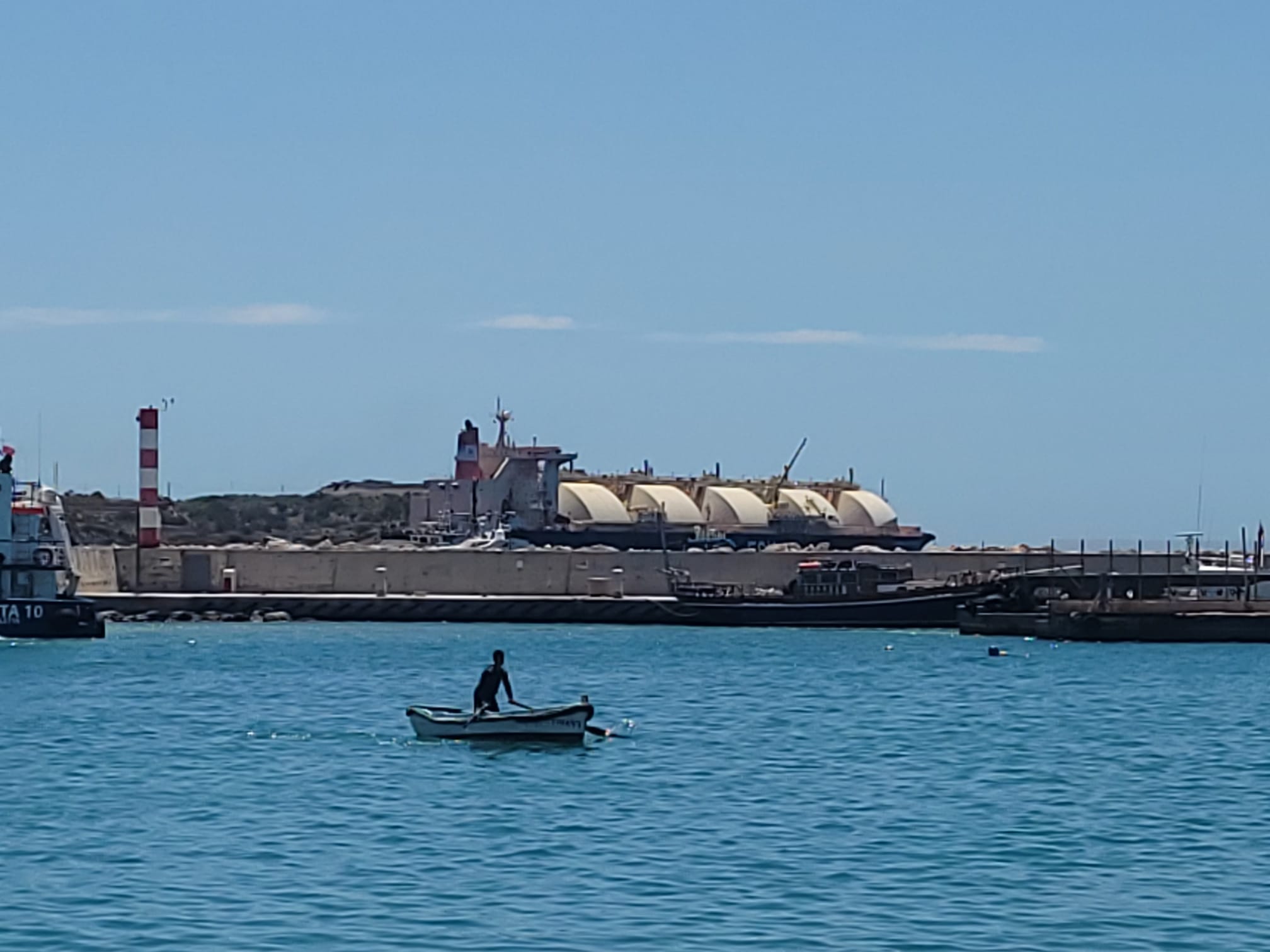
Delimara Power Station is the backbone of Malta's electricity supply, handling the majority of the island's power generation. This facility not only supports local energy needs but also serves as a gateway for electricity imported from Italy through the interconnector. Plans to lay an additional interconnector are underway to enhance power availability during peak demands.
LNG and Renewable Energy Integration
Despite Malta's advantageous sunny climate, the limited land area restricts the potential for large-scale solar farms. Consequently, liquefied natural gas (LNG) has become a pivotal element of the energy mix, providing a stable baseload power supply. The integration of LNG and renewable energy sources is critical for Malta as it navigates its path towards a sustainable energy future.
Renewable Energy Policies and Incentives
The Maltese government has actively promoted renewable energy through various incentives. Minister Dalli highlighted ongoing efforts to encourage both families and businesses to adopt renewable solutions. Recent initiatives include significant grants for photovoltaic systems and battery energy storage, aimed at reducing reliance on fossil fuels.
Decarbonization Strategies and Challenges
Green Finance and Investment in Renewable Energy
Malta's approach to decarbonization includes fostering investments in green technologies and infrastructure. Unlike robust frameworks in regions like the US, local incentives such as green bonds and low-carbon energy investments are still in nascent stages. This represents both a challenge and an opportunity for strategic policy enhancements to attract international investors and shift towards renewable energy sources.
The Role of the European Central Bank
The European Central Bank's (ECB) policy on interest rates has inadvertently impacted the renewable energy sector by making financing more challenging. This situation underscores the need for differentiated financial strategies that prioritize sustainable investments over carbon-intensive industries.
Opportunities for Malta’s Energy Sector
Offshore Renewable Energy Projects
Malta's government has issued preliminary market consultations (PMCs) to explore investor interest in offshore renewable energy projects. These include potential sites for floating solar farms and larger wind projects, which could significantly contribute to the country’s renewable energy output and reduce greenhouse gas emissions.
Hydrogen as a Future Energy Carrier
The Melita TransGas Hydrogen-Ready Pipeline represents a strategic pivot towards incorporating hydrogen into Malta’s energy ecosystem. Although primarily intended for natural gas, the pipeline’s design to accommodate hydrogen in the future highlights Malta’s long-term commitment to energy diversification and decarbonization.
The prospect of hydrogen as a pivotal component of Malta's energy transition presents both substantial opportunities and formidable challenges. On the opportunity front, Malta could leverage its geographical positioning and climatic advantages to develop renewable energy resources, particularly solar and wind, which are crucial for green hydrogen production through electrolysis. This green hydrogen could not only diversify Malta’s energy sources but also position the island as a hub in the emerging Southern European hydrogen economy. Such a development could attract international investments and enhance Malta's energy security by reducing its dependence on imported fossil fuels. However, the challenges are significant. The foremost among these is the current lack of infrastructure to support large-scale hydrogen production and distribution.
The initial costs for setting up such systems are high, and with Malta's small domestic market, the economic feasibility of investing in extensive hydrogen infrastructure without guaranteed external demand poses a substantial risk. Moreover, the "hydrogen-ready" pipeline predominantly intended for natural gas highlights a tentative commitment to hydrogen, which could delay genuine integration of this technology into Malta's energy mix.
Prospects for methanol production?
Methanol production offers a parallel narrative with its own set of opportunities and hurdles. As a liquid fuel, methanol is easier to store and transport compared to hydrogen, presenting a less challenging shift from Malta’s existing liquid fuel infrastructure. It can be produced from renewable sources and is seen as a potential medium for storing and transporting renewable energy. However, the production of renewable methanol is energy-intensive, requiring substantial inputs of electricity and carbon dioxide, which could be sourced from ambient air or industrial emissions.
Malta’s limited renewable production capacity and the required technological sophistication for capturing and converting CO2 into methanol are significant barriers. The integration of carbon capture and utilization (CCU) technologies could potentially align with Malta’s decarbonization strategies, turning a waste product into a valuable resource. Given Malta's current technological and economic landscape, focusing on carbon management technologies that complement existing infrastructures, such as carbon capture and storage (CCS) or utilization (CCU), might be more immediately practical. These technologies could be integrated into existing power plants and industrial processes to reduce carbon emissions. Furthermore, CCU has the added benefit of potentially creating marketable byproducts, enhancing the economic viability of adopting such technologies. In contrast, developing a full-scale renewable hydrogen or methanol economy might require longer-term strategic planning, substantial investment in new technologies, and robust international partnerships to ensure market access and technical expertise.
Critical Analysis of Malta's Decarbonization Path
Technical and Infrastructure Considerations
While the shift towards hydrogen and renewables is a positive step, the actual implementation requires substantial technological and infrastructural development. The transition from natural gas to hydrogen, set for 2029, and the development of adequate hydrogen production capabilities are fraught with challenges, including the need for substantial capital investments and technological advancements.
Policy and Regulatory Framework
A robust policy framework is essential to support Malta’s decarbonization goals. This includes clear regulations, incentives for green investments, and policies that directly support renewable energy projects and technologies. The current policy measures, although progressive, need to be significantly enhanced to create a conducive environment for large-scale deployment of renewable energy technologies.
Financial Incentives and Barriers
Financial barriers remain one of the most significant challenges for Malta's decarbonization efforts. High initial costs, the need for substantial investments in infrastructure, and the current economic climate impacted by ECB’s policies create a complex financial landscape. To overcome these barriers, Malta must develop targeted financial instruments and incentives that encourage investment in low-carbon technologies.
Conclusion
Malta stands at a critical juncture in its energy transition journey. With its strategic initiatives and policies, the island has the potential to transform its energy infrastructure towards a more sustainable and diversified system. However, this transformation requires a concerted effort from all stakeholders, including the government, private sector, and international partners, to overcome the technical, policy, and financial challenges that lie ahead.